
Smart Travel Packing Tips
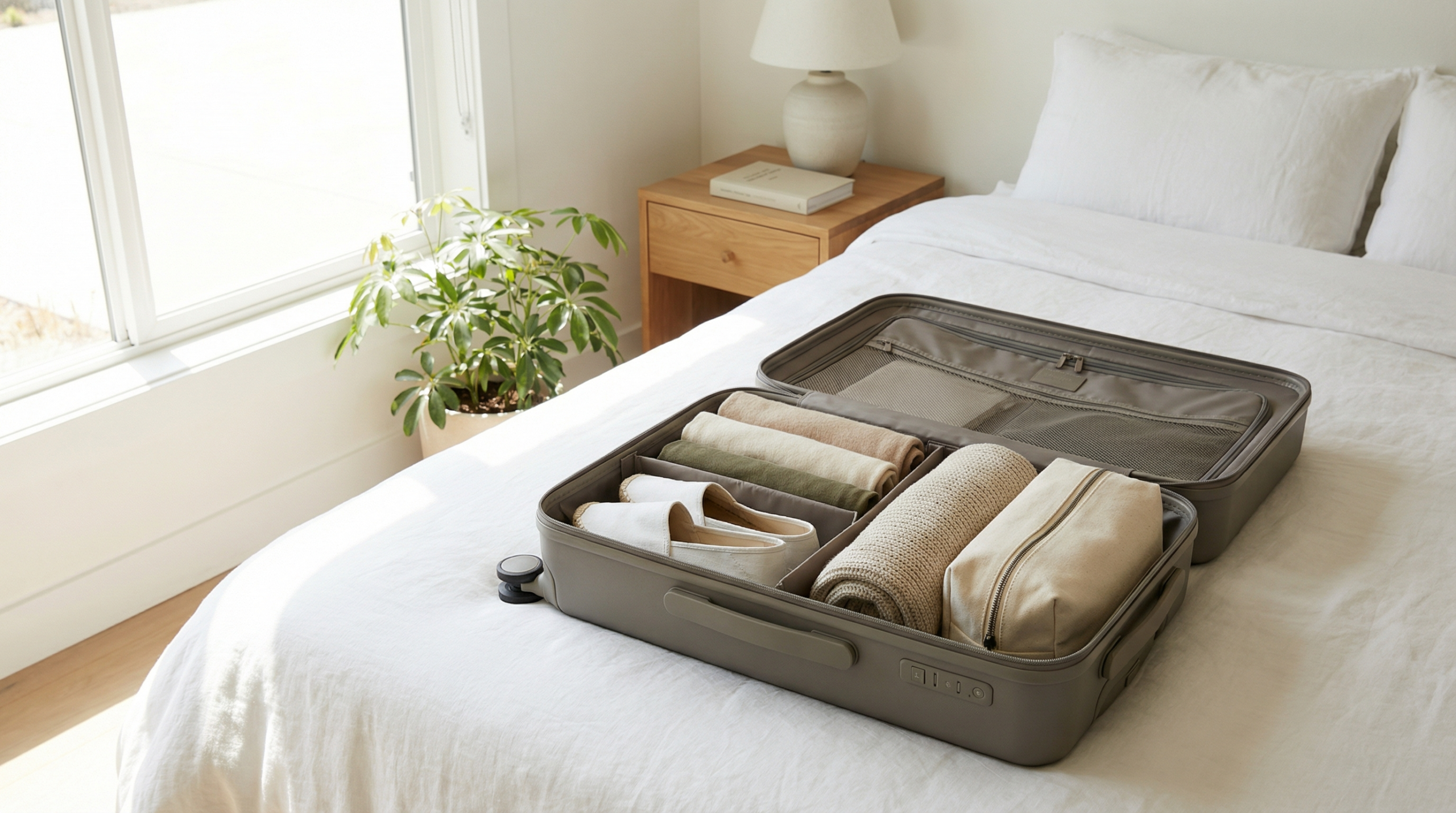
Packing well isn’t about bringing more. It’s about bringing the right things and skipping the rest. A few smart travel packing tips upfront can save time, stress, and unnecessary weight once the trip starts.
Check Airline Luggage Rules Before You Pack
Always confirm baggage limits with your airline before pulling out the suitcase. Carry-on size and weight rules vary, even on the same route.
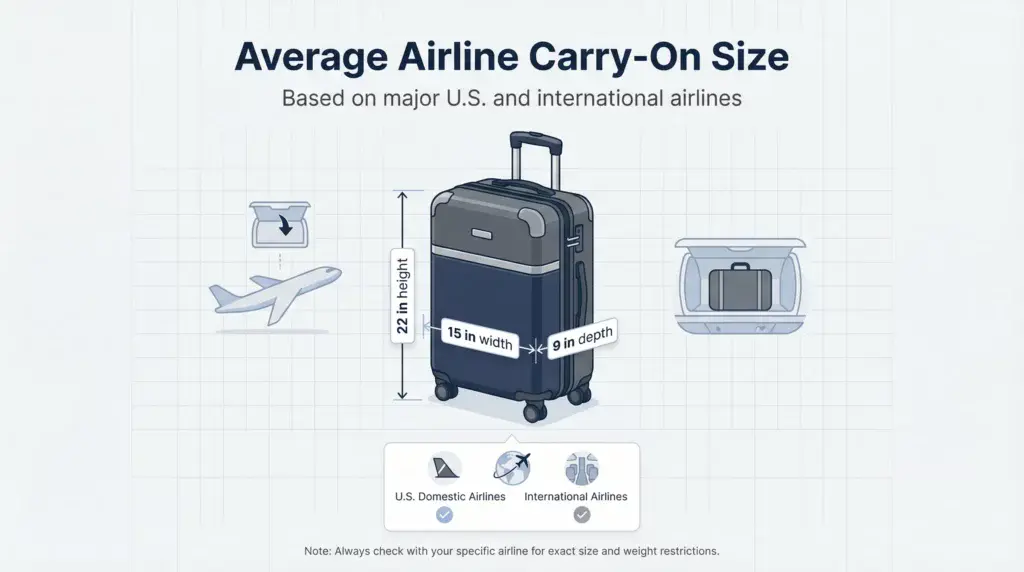
When possible, use a rolling carry-on. No waiting at baggage claim. Less risk of lost luggage. Just make sure your bag stays within weight limits, which can reach 50 pounds on some airlines.
Flying private comes with different rules. Smaller aircraft often have tighter luggage and weight restrictions, so verify details early.
Pack a Carry-On That Covers You for Delays
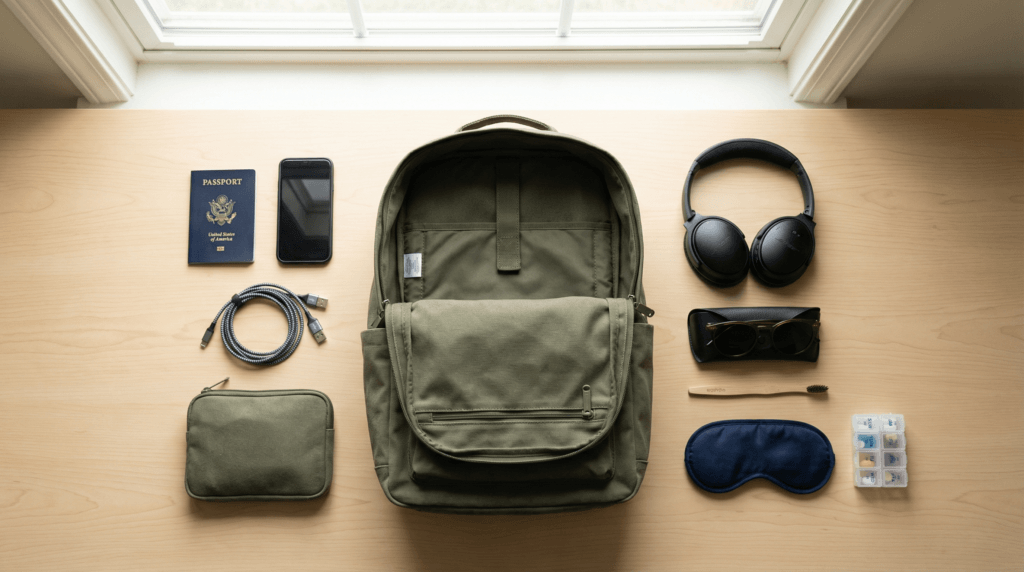
Your personal bag should handle an unexpected overnight stay.
Include:
- Toothbrush and basic toiletries
- Sunglasses and sleep mask
- Headphones or earphones
- Medications and prescriptions
- Chargers for essential devices
If your flight is delayed or canceled, this bag keeps you comfortable without the scramble.
Plan Outfits by Day to Avoid Overpacking
If something comes home unworn, it didn’t need to come.
Plan outfits by day and stick to pieces that mix easily:
- Two coordinating tops
- One short-sleeve and one long-sleeve option
- One pair of pants or leggings
- A skirt or dress that doubles as a cover-up
For hiking or active days, lightweight technical pants dry fast and pack small.

Choose Colors That Travel Well
Darker neutrals make packing easier. Black, navy, and soft neutrals mix effortlessly, hide stains, and don’t draw attention.
Accessories stretch outfits further. Scarves, simple jewelry, and one polished layer can change the look without adding bulk. Keep one dressier option handy. Plans change.
Wear Bulky Shoes on the Plane
Shoes eat space fast.
Wear your heaviest pair during travel. Pack lighter shoes like flats or sneakers. Store packed shoes in bags to protect clothing. Extra bags are useful later for laundry or shopping.
Pack Jackets and Layers Strategically
Bring a lightweight rain shell that packs down small. Wear bulky jackets during travel instead of packing them. They also work as pillows or blankets on long flights.
Skip Jeans If Comfort Matters
Jeans are heavy and take a long time to dry. Lightweight black pants travel better, wash easily, and fit a wider range of dress codes, from casual to upscale.
Don’t Forget Swimwear and Laundry Basics
Always pack a swimsuit. Pools, spas, and hot tubs show up unexpectedly.
Bring a small number of undergarments and wash them as needed. Single-use detergent packets or laundry strips are perfect for sink washing and are easy to carry.
Keep Toiletries Travel-Size
Travel-size toiletries are enough. Full-size bottles add weight and increase the risk of leaks or confiscation. Pack only what you’ll realistically use.
Organize Electronics and Travel Documents
Use small pouches to keep chargers and devices from tangling. Leave space in your bag for souvenirs.
Carry a few empty zip-top bags. They’re useful for cosmetics, cords, snacks, jewelry, and laundry.
Pack With Intention, Not Anxiety
Every item should earn its spot. When your bag is lighter, the trip feels easier from day one.
Key Takeaway
Smart packing reduces stress before the trip even begins. Plan outfits, prioritize essentials, and pack with purpose.
Pre-Travel Carry-On FAQ
What is the average carry-on luggage size across airlines?
The practical average carry-on size across major U.S. and international airlines is 22 × 15 × 9 inches. This size fits most overhead bins and aligns closely with the most commonly enforced airline limits worldwide.
Is 22 × 14 × 9 inches still considered a safe carry-on size?
Yes. A carry-on measuring 22 × 14 × 9 inches is widely accepted and remains one of the safest choices if you want to avoid gate checks or sizing issues, especially on international flights.
Why do some airlines allow larger carry-on sizes than others?
Larger size allowances usually come from airlines with bigger aircraft or looser enforcement. Smaller planes, regional routes, and budget airlines often enforce stricter limits due to reduced overhead bin space.
Do international airlines have stricter carry-on rules?
Many international airlines enforce tighter weight limits and slightly narrower dimensions. While size differences are usually small, weight limits are more commonly enforced outside the U.S.
Does a carry-on weight limit matter if there is no stated limit?
Yes. Even when no official weight limit is listed, airlines may require you to lift your bag into the overhead bin without assistance. If it looks heavy, staff can still require it to be checked.
What happens if my carry-on is slightly oversized?
Enforcement varies. Some airlines allow minor size differences, while others may gate-check your bag, sometimes with a fee. Oversized bags are most commonly flagged on full flights or smaller aircraft.
Is soft-sided luggage better for carry-on travel?
Soft-sided bags offer more flexibility and can compress slightly to fit tight overhead bins. This can reduce the risk of being forced to check your bag compared to rigid hard-shell cases.
Can my personal item replace a carry-on?
On some basic or budget fares, only a personal item is allowed. In those cases, choosing a personal item that maximizes under-seat space can eliminate the need for a carry-on entirely.
What carry-on size is safest if I fly multiple airlines?
If you frequently switch airlines, aim for a bag no larger than 22 × 14 × 9 inches. This size minimizes compatibility issues across both domestic and international carriers.