
Have you even considered budget travel preplanning? Most people don’t blow their travel budget on one big mistake. It’s usually death by a hundred little charges, a “cheap” flight that isn’t cheap after fees, a taxi you take because you’re tired, and a couple of meals you didn’t plan for.
The fix is budget travel preplanning that’s simple enough, you’ll actually do it. This checklist covers three phases: before you book, before you pack, and while you travel. The goal is less stress and fewer surprise fees.
You’ll walk away with the money-savers that tend to matter most, like off-peak timing, carry-on packing (so you don’t pay bag fees), a daily spending limit you can stick to, and an emergency cushion that keeps small problems from turning into expensive ones.
Start with your numbers, so deals actually mean something

A “deal” only helps if you know what you’re trying to spend. So start by sorting budget travel preplanning costs into three buckets. It’s not fancy, but it works.
Bucket 1: Pre-trip costs
Think passports or visas, travel insurance, any vaccinations you need, luggage you’re replacing, and boring stuff like adapters.
Bucket 2: Trip costs
This is the trip itself: flights or gas, lodging, local transport, food, and activities.
Bucket 3: Emergency fund
Plan 10 to 15 percent of your total budget as a buffer. Not because you’re pessimistic, but because life is messy. A missed train, a pharmacy run, a sudden weather change that forces you to buy a layer you didn’t pack, it happens.
Then set a daily target for your “trip costs” bucket. I like a daily number because it keeps you honest in real time. You can track it in a notes app, a spreadsheet, or a travel budgeting app like Trail Wallet, Trabee Pocket, or TravelSpend (anything that makes you check your spending once a day).
Mini checklist to copy:
- Total trip budget (all-in): _____
- Pre-trip costs: _____
- Trip costs (spend during trip): _____
- Emergency fund (10 to 15 percent): _____
- Daily spending target (trip costs divided by days): _____
Build a trip budget in 15 minutes (categories, daily limit, and a buffer)
Start with fixed costs first, because those are the non-negotiables.
- Fixed costs: flights, trains, lodging, major transfers, basic insurance.
- Variable costs: food, local transport, activities, and small shopping.
- Hidden costs: baggage fees, seat selection, resort fees, tourist taxes, tips, transit cards, roaming or eSIM plans, airport transfers.
A quick example (keep it simple):
If your trip budget is $840 and you’re traveling 7 days, that’s $120 per day. Some days will be $80, some will be $160. That’s normal.
Two small tips that sound obvious, but people skip them:
- Set a daily cap you can live with, not a fantasy number.
- Give yourself one flex day for a splurge meal or a special tour, then tighten up the day before and after. It feels more realistic.
Set up savings that happen on autopilot
If you wait to “save what’s left,” you’ll save nothing. Put the trip on rails.
- Use a dedicated travel savings account so the money doesn’t get lost in rent and groceries.
- Automate transfers right after payday. Even small weekly transfers add up faster than you’d think.
- If you use points, use them on purpose. Points can cut flight or hotel costs, but don’t overspend just to earn rewards.
One more practical perk: TSA PreCheck or Global Entry won’t lower your airfare, but it can save time and stress. Some travel cards reimburse the fee, so it’s worth checking what you already have before paying out of pocket.
Book smarter, not harder: the checklist for flights, stays, and getting around

Budget travel in 2026 has a clear theme: timing and flexibility. Off-season and shoulder-season trips are still where the easiest savings live, and mid-week flights often cost less than weekend flights.
The booking mindset that saves money is pretty plain: compare, wait a bit if prices are bouncing around, then book when it fits your budget and risk tolerance. I’ve seen people save real money just by being open to flying out Tuesday morning instead of Friday night.
Quick booking checklist:
- Travel in shoulder season when possible
- Check prices from nearby airports
- Set fare alerts for your route
- Compare total cost, not base fare
- Pick lodging near transit, not just “central.”
- Price out local transport before you arrive
Flights: flexible dates, fare alerts, and carry-on math
Book earlier when you can, especially for popular dates. For price hunting, fare alerts help you watch swings without obsessing.
A few 2026-friendly moves that keep showing up:
- Deal newsletters can surface flash deals early (Going and Thrifty Traveler are two well-known examples).
- “Explore” style flight maps are useful when you care more about price than a specific city.
- Stopover programs can sometimes turn one trip into two cities with minimal added airfare, but only if the extra nights don’t blow your lodging budget.
Budget airlines can be fine, but read the fee rules like you’re looking for hidden traps. The cheapest ticket can get expensive fast once you add:
- carry-on or checked bag fees
- seat selection charges
- payment fees
- airport check-in fees
This is where carry-on packing becomes a booking decision, not a packing decision. If bringing a small bag saves $60 to $120 round trip, that’s basically a free food budget.
Lodging and local transport: pick location over extras
A fancy place that’s “a great deal” isn’t a great deal if you spend $25 twice a day getting in and out.
I usually suggest a simple rule: pay for safe and clean, then pay for easy transit. Extras like pools and big lobbies are nice, but they don’t get you to the places you came to see.
If you’re trying to cut food costs, prioritize lodging with at least a mini-fridge, and ideally a kitchen. Even making breakfast and a simple dinner can change the whole trip budget.
For getting around, public transport and walking are usually the cheapest options. Taxis and rideshares can be worth it sometimes, like late at night or when you’re carrying bags, but don’t let them become your default.
City passes and transit cards can save money, too, but only when they match your actual plans. If you’re a “wander and snack” traveler, the big bundled pass might not pay off.
Affiliate Disclosure
Some links on PreTravelCheck are affiliate links. If you buy through them, we may earn a small commission at no extra cost to you. As an Amazon Associate, we earn from qualifying purchases. Thanks for supporting PreTravelCheck.
Pack and spend like a budget traveler once you arrive
Once you land, the goal is to stop money leaks. The biggest leaks are avoidable: baggage fees, panic buys, and meals you choose because you’re hungry and didn’t plan.
Keep it basic. Pack light, bring a few essentials that are expensive in tourist zones, and track spending daily. I’m not talking about a spreadsheet on vacation. Just a quick check each night so tomorrow doesn’t spiral.
On-the-ground checklist:
- Carry-on mindset
- Snacks and a refillable water bottle
- One cheap meal plan per day
- One free activity option per day
- Daily spending check-in (2 minutes)
Packing checklist that prevents extra fees and panic buys
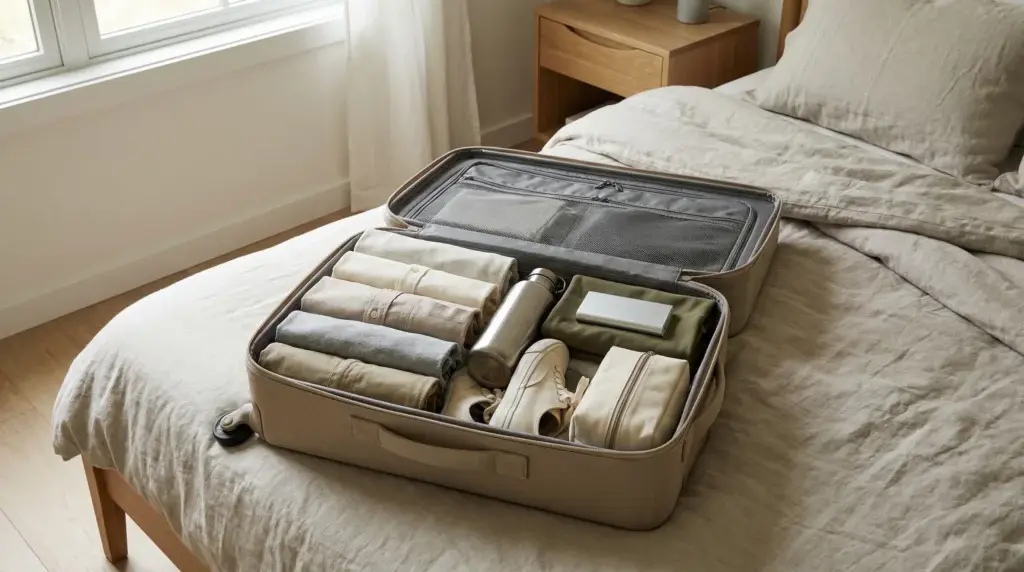
Carry-on only, if you can manage it. It reduces fees, speeds up airport security, and lowers the risk of lost baggage drama.
Bring:
- versatile layers and comfortable shoes
- reusable water bottle
- snacks for transit days
- sunscreen and basic toiletries (small sizes)
- charger or power bank, plus adapters if needed
Don’t forget documents and money basics:
- passport, visa (if needed), and ID
- a digital copy of key documents (and maybe one paper copy)
- travel-friendly debit and credit cards
- a small emergency cash stash, split into two spots
Daily spending plan: eat well, do fun stuff, and stay on track
Budget travel doesn’t mean eating sad food. It means aiming your money where it counts.
A pattern that works: markets and local cafés for breakfast, a picnic lunch when you’re out exploring, then one paid meal you actually enjoy. If your budget’s tight, alcohol is the sneaky budget killer, so keep it occasional.
For activities, look for parks, viewpoints, free museum days, and self-guided walks. Free walking tours can be great too, just remember, tips are still money.
Each night, check your total against your daily cap. If you’re over, don’t panic. Adjust tomorrow with a cheaper meal and one free activity.
Cash vs card is simple: use cash for small buys (and to keep yourself honest), use cards for bigger purchases. If you’re abroad, watch foreign transaction fees; they add up quietly.
Final Thought Before You Depart
Budget travel preplanning isn’t about restricting yourself; it’s about removing the dumb surprises. Set your numbers first (three buckets works), book with flexibility, pack like bag fees are personal, and track daily spending so you can correct course fast. Keep that 10 to 15 percent emergency buffer, and you’ll feel calmer the whole trip.
After you get home, do one quick habit: compare what you planned vs what you spent. It makes your next trip easier and usually cheaper.
Save this budget travel preplanning checklist somewhere you’ll find it later, then start with one small step today, either set up an automatic transfer or sketch your three cost buckets on a piece of paper.
Key Takeaway
Budget travel preplanning works when it stays simple. Set three cost buckets, plan a daily spend you can live with, pack like fees matter, and track money in real time so small slips don’t snowball.
Budget Travel Preplanning FAQ
What is budget travel preplanning?
Budget travel preplanning is the process of setting spending limits, planning major costs, and preparing for common fees before you travel. The goal is to reduce surprise expenses and make your budget usable in real life, not just on paper.
How much money should I budget for a trip?
Start by dividing your budget into three parts: pre-trip costs, trip spending, and an emergency fund. A common approach is to reserve 10 to 15 percent of your total budget for emergencies, then set a daily spending target for the rest.
What are the most common hidden travel costs?
Hidden costs often include baggage fees, seat selection charges, airport transfers, tourist taxes, tips, roaming or eSIM plans, and resort or cleaning fees. These small charges add up quickly if they are not planned for in advance.
Is carry-on only travel really cheaper?
In many cases, yes. Avoiding checked and carry-on bag fees on budget airlines can save a noticeable amount over a round trip. Packing light also reduces transit stress and lowers the chance of last-minute purchases.
How do I set a realistic daily travel budget?
Take your total trip spending budget and divide it by the number of travel days. Aim for a number you can maintain without feeling restricted. Plan one flexible day for a splurge, then balance it with cheaper days before or after.
Should I use cash or cards while traveling?
Use cash for small daily purchases to stay aware of spending. Use cards for larger expenses, but check foreign transaction fees ahead of time. Carry a small emergency cash stash stored in more than one place.
How much should I save for emergencies?
A good rule is 10 to 15 percent of your total trip budget. This buffer helps cover missed connections, medical needs, weather-related purchases, or unexpected transport without breaking your overall plan.
What is the easiest way to stay on budget during a trip?
Track spending once a day, even briefly. A quick nightly check helps you adjust early instead of realizing the problem at the end of the trip. One free activity and one planned low-cost meal per day also help control spending.
Thanks for keeping things nice and simple on budget travel preplanning. Thanks for all the checklists which are very helpful in this process. You have provided so much great info here that I have bookmarked your site to share with others and for future reference.
Hello Joseph,
Thanks for taking the time to leave your remarks. It is my goal to simply the travel process and remind people in the hurry up and go mindset to slow down and preplan so they do not forget the important things. It is always better to plan ahead and be ready for everything, rather than get there and say I wish I would have brought that with me.
Travelin Mike
Hi Mike, this is definitely very relevant to me. Always find myself getting stung by something. Although, I find going to the same destinations again can be good for knowing what your letting yourself in for.
My tips fly local, fly to and from at times where you can still use local transport to get home and back, book taxis online and agree price before getting picked up, and avoid the alcohol as you quite rightly point out. I mean I try not to procrastinate too much I think when people overthink things this ends up putting them off. I’m kind of a deal with the consequences when I get there kind of person but you do really need to be mindful. For example I have been Lanzarote past 3 years in December you can fly here cheap but to get cheap Accomadation you need to act fast. I’d say maybe don’t book flights without checking your accomadation options first.
Another tip – bring a spare phone and sim card for your home phone network in case you lose your phone you can recover your phone number. And 2nd bank card. Budgeting is good but I have had to go days without anything besides water before abroad not a good way to be.
Hello Alex,
Thanks for taking the time to leave your remarks. You have made a valuable contribution to this article by providing your experience and very sound advice. I appreciate it and I am glad you have enjoyed my article.
Travelin Mike