

A travel visa can feel like a simple form until it isn’t. In 2026, more applications are checked across connected systems, and screening is more stringent about clean, verifiable information. That means tiny errors can hurt you just as much as a big gap in your story.
Below are the five mistakes I see most often, along with quick fixes you can make before you submit (or before your interview, if one’s required). Also, a quick video as an example.
Mistake: Small errors and mismatched details that trigger instant red flags
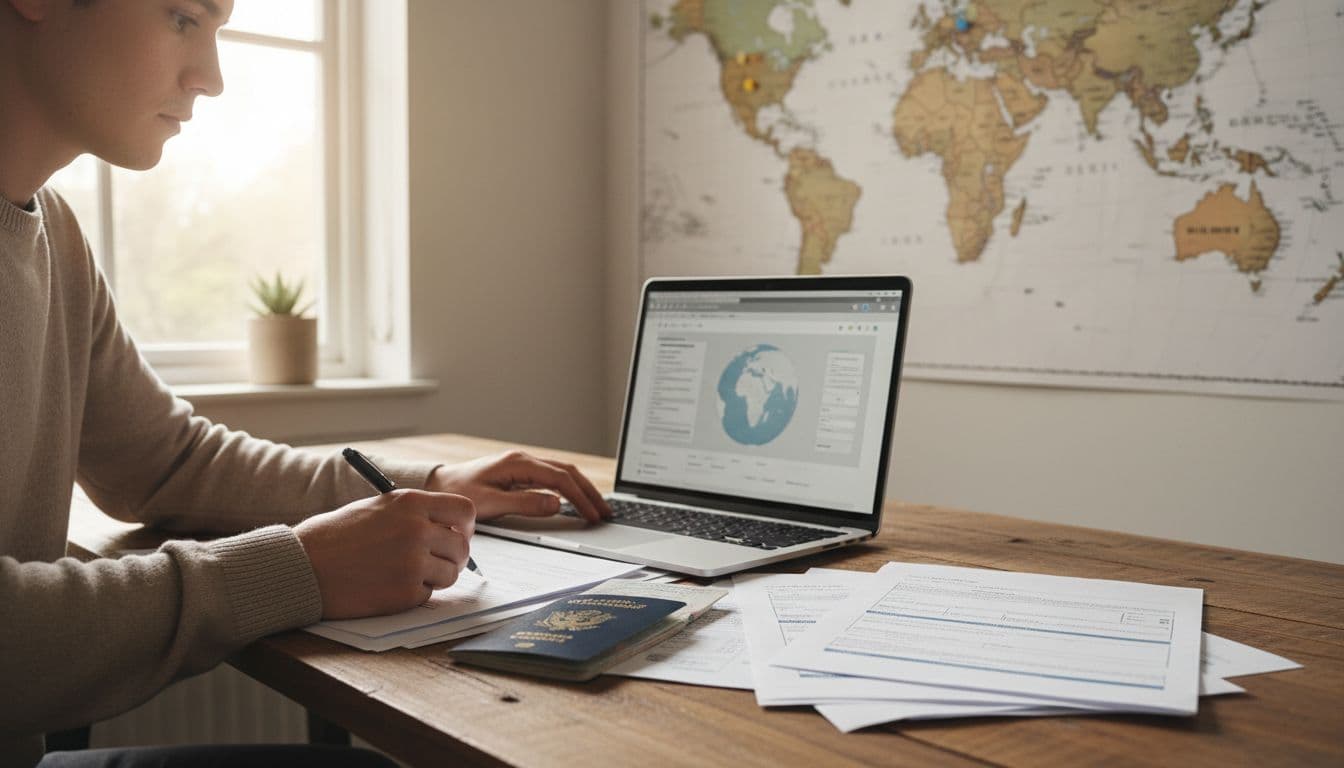
One digit was swapped in a passport number. A nickname instead of your legal name. A date that’s correct in one place and “close enough” in another. These are the kind of issues that can trigger delays or a flat-out refusal because your application data gets compared across records.
Treat your form like a data match exercise, not a writing assignment. Your name spelling, birth date, passport details, and even your address format should match exactly what’s on your documents.
A simple consistency check before you hit submit
Do a quick self-audit:
- Compare the form to your passport, prior visas (if any), and supporting documents.
- Make sure your employer name, job dates, and trip dates match everywhere.
- Have a second person read it; they spot what you’ll miss.
- Don’t “guess” details. If you’re unsure, look it up.
Also, be honest about past refusals or overstays. In 2026, shared databases make hidden history a high-risk choice. For real-life examples of how small mistakes snowball, see AARP’s visa application mistake breakdown.
Mistake: Weak finances or bank statements that do not make sense
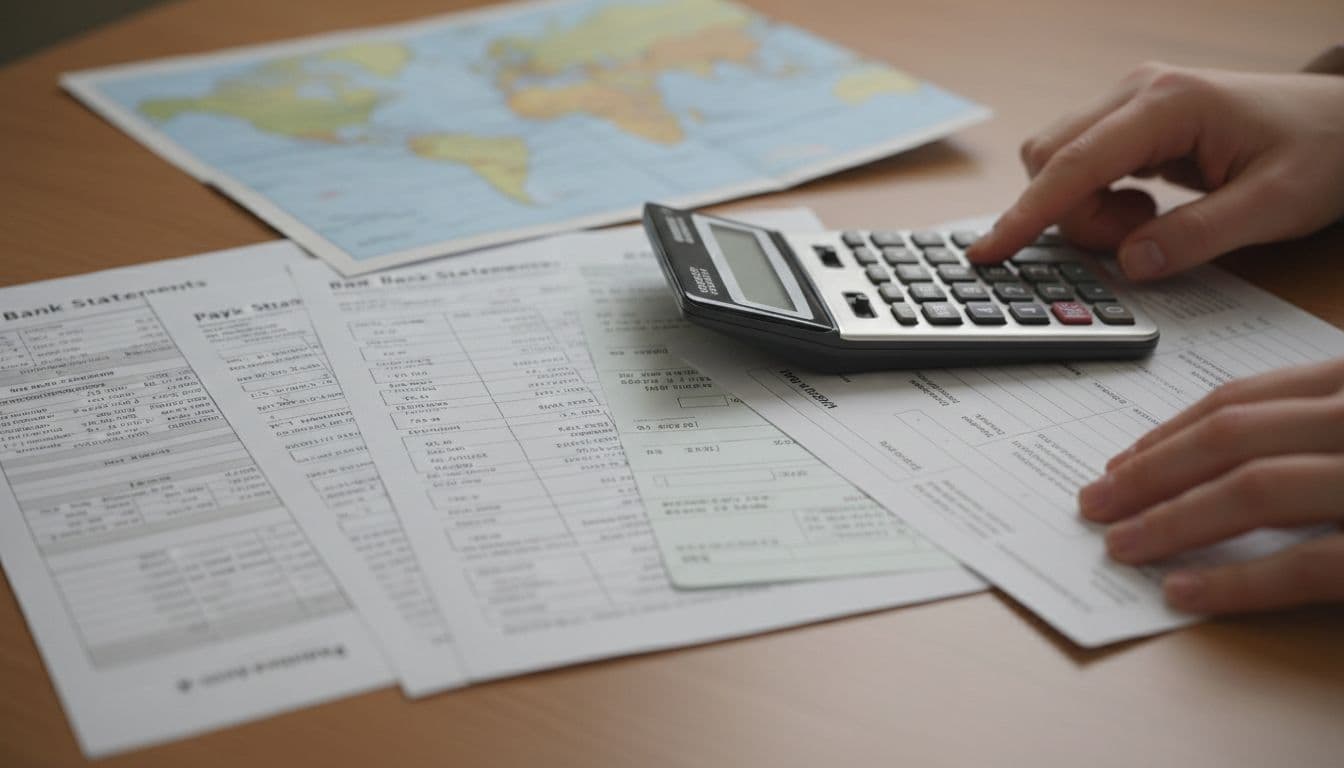
Consulates want stability, not just a big balance. A sudden lump-sum deposit right before you apply can look suspicious, even if it’s legit. What reads better is 3 to 6 months of steady income that fits your travel plan.
How to show stable money without raising questions
Bring statements, pay slips (if you have them), and a simple note explaining anything unusual (a bonus, a sale, a gift). Tie the numbers to a realistic budget: flights, lodging, daily spending, and insurance. If you must show a lump sum, document the source clearly.
Mistake: No strong reason to return home (the “intent to immigrate” problem)
A lot of denials come down to one fear: the officer thinks you won’t leave. You fix that by showing your life is anchored where you live now.
Proof that your life is anchored at home
Helpful documents include an employment letter with approved leave, school enrollment, a lease or property paperwork, family responsibility documents, and evidence of ongoing payments or obligations. The key is alignment: the story in your form, your documents, and your interview should match.
Mistake: Applying too late and getting trapped by processing delays
Processing times vary, and follow-up checks are common. When people apply too close to departure, they rush documents, upload messy scans, and make avoidable errors.
A realistic visa timeline you can follow
Aim for 2 to 3 months ahead when you can. Read the official requirements first (for US visits, which includes preparing the DS-160 and your interview documents), gather proof, submit, and leave time for biometrics or appointments. Save digital copies, and watch freshness dates (like recent photos and current bank statements).
Mistake: Vague or unrealistic travel plans (or choosing the wrong visa type)
An itinerary that’s fuzzy, impossible, or missing lodging can look like you’re hiding the real purpose. Same problem if you pick the wrong visa category.
What a “believable” itinerary looks like
Keep it simple: entry and exit dates, where you’ll stay, a handful of activities, and how you’ll move between cities. Use embassy websites, official portals, or authorized providers (such as VFS Global, where applicable), as blog checklists can be outdated.
The Final Word
Visa denials are often self-inflicted: mismatched details, finances that don’t add up, weak home ties, last-minute timing, and sloppy plans. Give yourself a calm advantage with a 30-minute match-and-verify review, upload clean scans, and keep copies of everything you submit. Small steps, but they prevent the kind of “why did this happen?” headache nobody needs before a trip.