
Heading out for your first camping trip brings a mix of excitement and nerves. Gathering everything you really need can be kind of overwhelming if you haven’t done it before. After forgetting my own pillow the first time I camped, I realized pretty quickly that a good checklist would have saved me some trouble. So, I’ve put together a super practical list for beginner campers that covers the basics and a bunch of little things you might not think about.
Basic Camping Gear Beginners Always Need
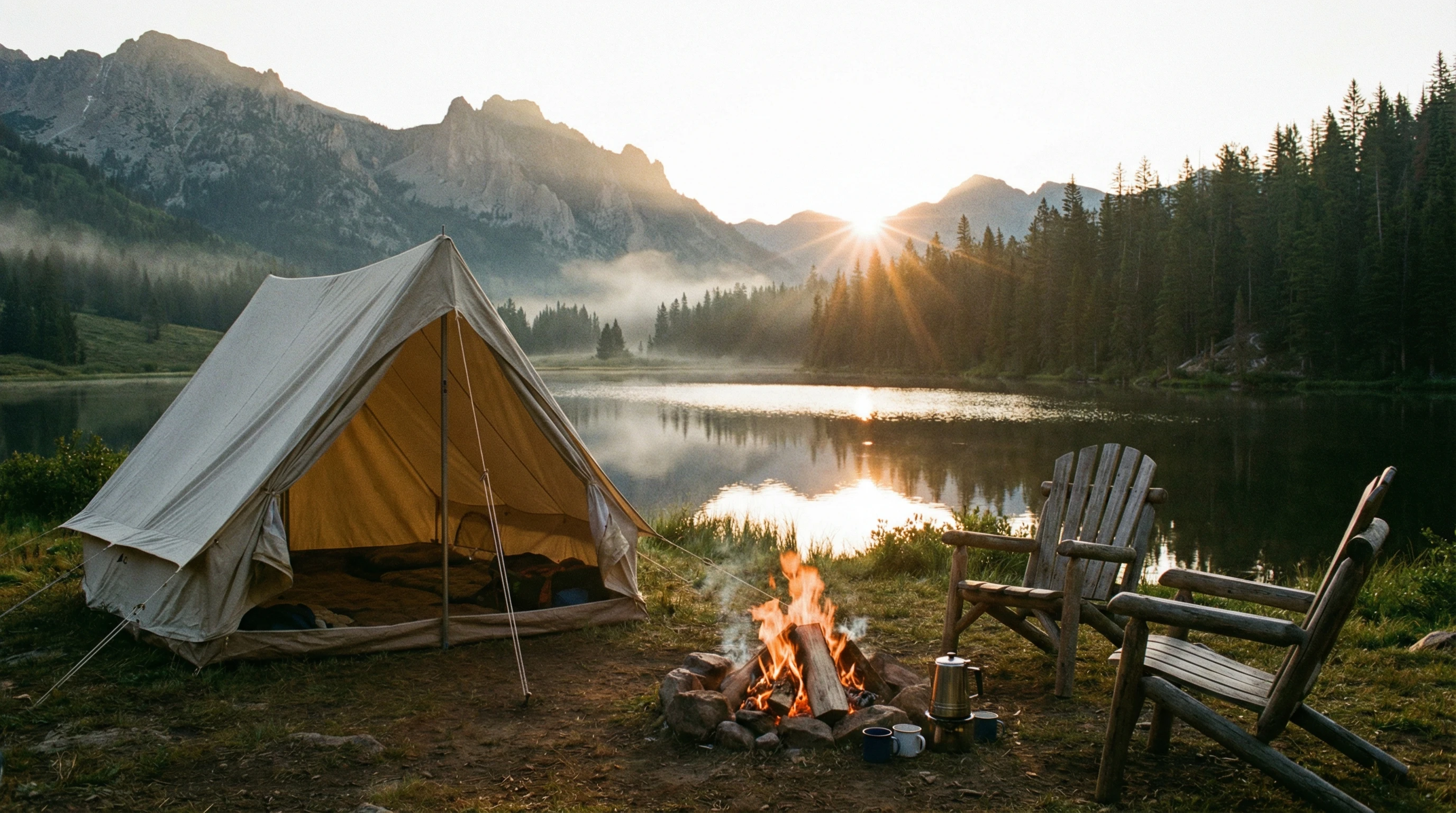
The core gear stays pretty much the same no matter where you’re headed or how long you plan to camp. Even with all the fancy stuff you see on Instagram, most people just want things that work without much fuss. Having good basics lets you actually relax instead of worrying about the weather or whether your borrowed sleeping bag is warm enough. Here’s the stuff I never leave behind:
- Tent and Ground Cloth: Make sure your tent is easy to set up and fits your group size. Don’t skip the ground cloth; it keeps you dry and protects your tent floor. Even a basic tarp works.
- Sleeping Bag: Choose one that fits the season (look for a temperature rating a bit lower than the lowest nighttime temperature). I tried a cheap sleeping bag on a spring trip and shivered until sunrise. Spending a bit more helps.
- Sleeping Pad or Air Mattress: This adds comfort and insulation. Most beginners assume you won’t need a pad in summer, but the ground is colder than you’d expect.
- Camping Pillow: You could try rolling up a jacket, but a small camping pillow makes a difference.
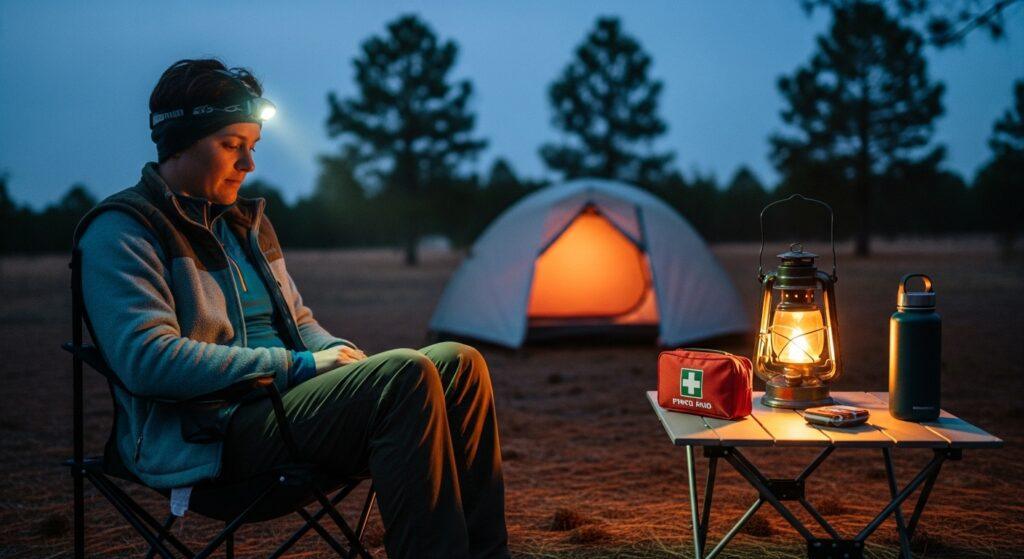
- Headlamp or Flashlight: Bring extra batteries. Headlamps are especially handy if you expect to be hands-free at night.
- Camping Chairs: Sure, you can sit on a log, but a folding chair feels a whole lot better around the campfire.
Cooking Supplies and Food Essentials
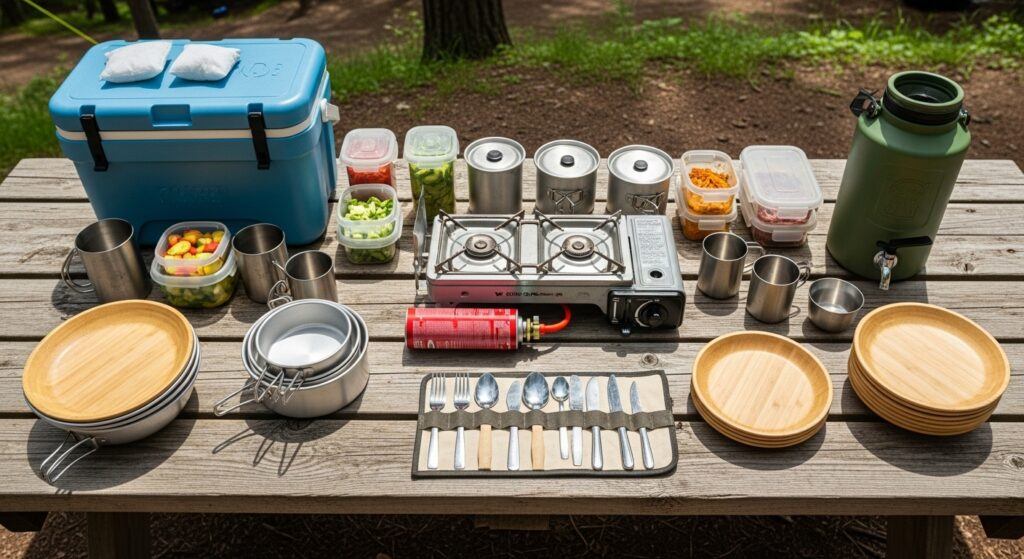
Cooking outside is one of the perks of camping, but if you’ve never cooked over a fire or camp stove, it’s easy to forget some things. I usually keep this section of my gear in a storage bin so I don’t have to rethink it every time. Here’s what usually makes my list:
- Portable Stove or Grill: Not all campsites allow open fires or have fire pits, so a propane or butane stove is worth bringing. This one is my favorite.
- Fuel: Pack enough fuel canisters for all your meals. Running out mid-breakfast is a pain.
- Cookware: A pot, a pan, and maybe a kettle if you like hot drinks. Look for nesting cookware sets to save space.
- Utensils: A spatula, a big spoon, and eating utensils. Don’t forget a sharp pocket knife or multitool.
- Dishes: Sturdy bowls, plates, and cups. I like ones that stack or nest.
- Food Storage: Bring sealable containers or zip bags to keep food fresh and critters away.
- Biodegradable Soap and Sponge: Cleaning up is easier if you have a small basin or collapsible bucket.
- Cooler and Ice Packs: Important for perishable food. Block ice tends to last longer than cubes.
- Trash Bags: Campsites often have a “pack it in, pack it out” rule.
- Reusable Water Bottles or Jug: Even at campsites with water, keeping a filled bottle at the tent saves you trips at night.
I highlight many of these items I use on my Benable Page you can check out here.
Packing for Safety, Cleanliness, and Comfort
Small annoyances can turn into big frustrations if you’re not prepared; things like bug bites, scrapes, or just being too cold at night. Here’s my usual roundup so those issues don’t ruin your trip:
- First Aid Kit: Make sure it’s stocked with bandages, antiseptic wipes, tweezers (for splinters), and a few allergy or headache medicines.
- Insect Repellent and Sunscreen: Apply early and reapply as needed. Sunburn and bug bites seem to sneak up fast.
- Toiletries: Toothbrush, toothpaste, wipes, biodegradable soap, and toilet paper (don’t trust campground bathrooms to have any!).
- QuickDry Towel: Handy for showers if available or after swimming.
- Personal Medications: Don’t count on nearby stores for prescriptions or allergy meds.
- Hand Sanitizer: For before meals or after the bathroom.
- Wet Wipes: Cleaning up sticky hands, faces, or even dirty feet without much fuss.
Clothing and Weather Preparation
Layers are the name of the game for camping. I learned this after a chilly mountain evening, when every piece of clothing I brought got used at once. Here’s what I usually lay out on my bed before packing:
- Base Layer: Moisture-wicking shirts and long underwear keep sweat off your skin.
- Insulation Layer: Fleece or a light puffer jacket works for most situations.
- Waterproof/Rain Layer: A packable rain jacket is better than nothing, even if the forecast calls for sun.
- Extra Socks and Underwear: Always pack at least one more pair than you think you’ll need.
- Comfortable Shoes: Hiking boots if you’re hitting trails, but also sandals or sneakers for around camp.
- Hat and Gloves: Even in summer, nights can get chilly, especially at higher altitudes.
Tips For Choosing The Right Campsite and Planning Ahead
Where you set up your tent makes a big difference. I’ve camped in beautiful spots that were just way too close to noisy groups or downwind from overflowing bathrooms. A little research goes a long way.
- Read reviews online before booking or picking a site. Sometimes the prettiest spots fill up early, but some lesser-known campgrounds are quieter and just as scenic.
- Check if your spot has shade, a fire ring, picnic tables, or water nearby, and if it gets direct morning sun (which can turn your tent into a sauna).
- Arrive early whenever possible to avoid setting up camp in the dark. It’s just so much easier to pitch a tent and find level ground with daylight.
- Have a backup plan. Sometimes, weather or site conditions mean changing locations, especially if the area is prone to flooding or high winds.
What Surprises Beginners (and How to Handle Them)
No checklist can prepare you for absolutely everything. Something offbeat always pops up: gear left in the car, unexpected wildlife, maybe a neighboring camper playing music at midnight. It’s a weird mix. I find myself appreciating the little mishaps later. Here are a few things firsttimers often mention and some ways I’ve handled (or just survived) them:
- Weather Swings: Even a clear forecast can turn, so I stash a packable poncho and extra tarp. And when it gets unexpectedly hot or cold, layers help me manage.
- Forgetting Gear: Once I left my camp mug at home, so I drank coffee from a pot lid. Now I keep a written checklist on my phone and in my gear bin.
- Noisy Neighbors: Earplugs come in handy, or sometimes a quick walk to another section if the campground isn’t full.
- Wildlife Encounters: Secure food in your car or in a bear box if available. I woke up to raccoons trying to open a peanut butter jar. Lesson learned.
- Campfire Struggles: Damp wood is common after rain. A few fire starters tucked into a zip bag often save the day.
Camping FAQ For Beginners
I’ve gathered a few questions people tend to ask before their first camping trip. These pop up often, and the answers can make things easier. Here are some expanded questions and answers to cover even more of what beginners are curious about:
Question: How do I make sure my first camping trip isn’t a disaster?
Answer: Stick to the basics on your checklist, double-check essentials before leaving, and keep your meals simple. Consider a campsite with amenities like bathrooms to make it less stressful. If you feel nervous, invite a friend who has camped before for moral support and advice.
Question: Are there any simple meal ideas for newbies?
Answer: Yes. For breakfast, try oatmeal, granola, or bagels. For dinner, sausages, pre-made chili, or foil packet meals heat up fast on a camp stove. S’mores go a long way toward boosting morale, too. Bring snacks like nuts, dried fruit, and crackers for easy energy throughout the day.
Question: Do I need to reserve campsites in advance?
Answer: Often yes, especially in national parks or busy months. Check the reservation rules. Some open months in advance, and others are first-come, first-served. Certain campgrounds fill up on weekends and holidays, so plan ahead whenever possible to get the spot you want.
Question: What should I do if it rains or storms during my trip?
Answer: Bring rain gear for everyone, like lightweight jackets and waterproof shoes. Tuck a tarp or two in your bag to cover your tent or kitchen area. If storms are forecast, check whether your site is at a higher elevation to avoid water pooling under your tent. Keep electronics and important items in dry bags or zip-close bags.
Question: Can I go camping without any experience?
Answer: Absolutely. Start at a managed campground with bathrooms and nearby water. Read a few beginner’s guides, make a checklist, and don’t stress about perfection. Every camper started out as a beginner and learned as they went along.
Getting the Most Out of Your First Camping Trip
Packing for camping isn’t mostly about perfection. I like to think it’s about being out there, dealing with whatever comes up, and learning a little each time. My best advice is to note the things you wish you’d packed (or left at home), and update your checklist after each trip. Eventually, setting up camp and cooking outdoors starts to feel second nature and a lot less intimidating. If you forget something, you’ll probably just improvise, and that’s okay. The bottom line: you’ll come away with a story or two, and next time it’ll probably go just a little bit smoother.