


Most overpacking disasters follow the same pattern. A suitcase gets packed for every possible version of a trip instead of the actual one: the warm days and the one cold night, the casual dinners and the one fancy dinner that might happen, the hiking boots for a hike that might not even fit the itinerary. By the time the zipper closes, the bag is heavier than it needs to be and still somehow missing the one thing that actually gets used every day. That gap between what gets packed and what gets worn is the reason this site exists.
Anyone who has hauled a suitcase through an airport, repacked it at a check-in counter to shave off a few pounds, or dug through three layers of clothes to find a phone charger knows the feeling of a bag that was packed on guesswork instead of a plan. That feeling is the starting point for every checklist on this site: not a general reminder to “pack light,” but a specific answer to what goes wrong when packing is left to memory and last-minute decisions. Packing light and organized starts with a simple rule: pack for the trip you have planned, not every trip you can imagine.
The goal is to pack for your actual trip
A useful packing list starts with the trip you planned, not every possible version of it. Match your bag to the activities, climate, and length of your trip, then check that list against your plans.
From overstuffed duffel to a system that actually worked
The fix for bad packing is rarely willpower. Telling someone to simply bring less does not solve the actual problem, which is that most people pack without a clear picture of what the trip will require day by day. A system works better than a resolution: a list built around the specific trip, checked against what that trip actually involves, rather than a vague commitment to minimalism.
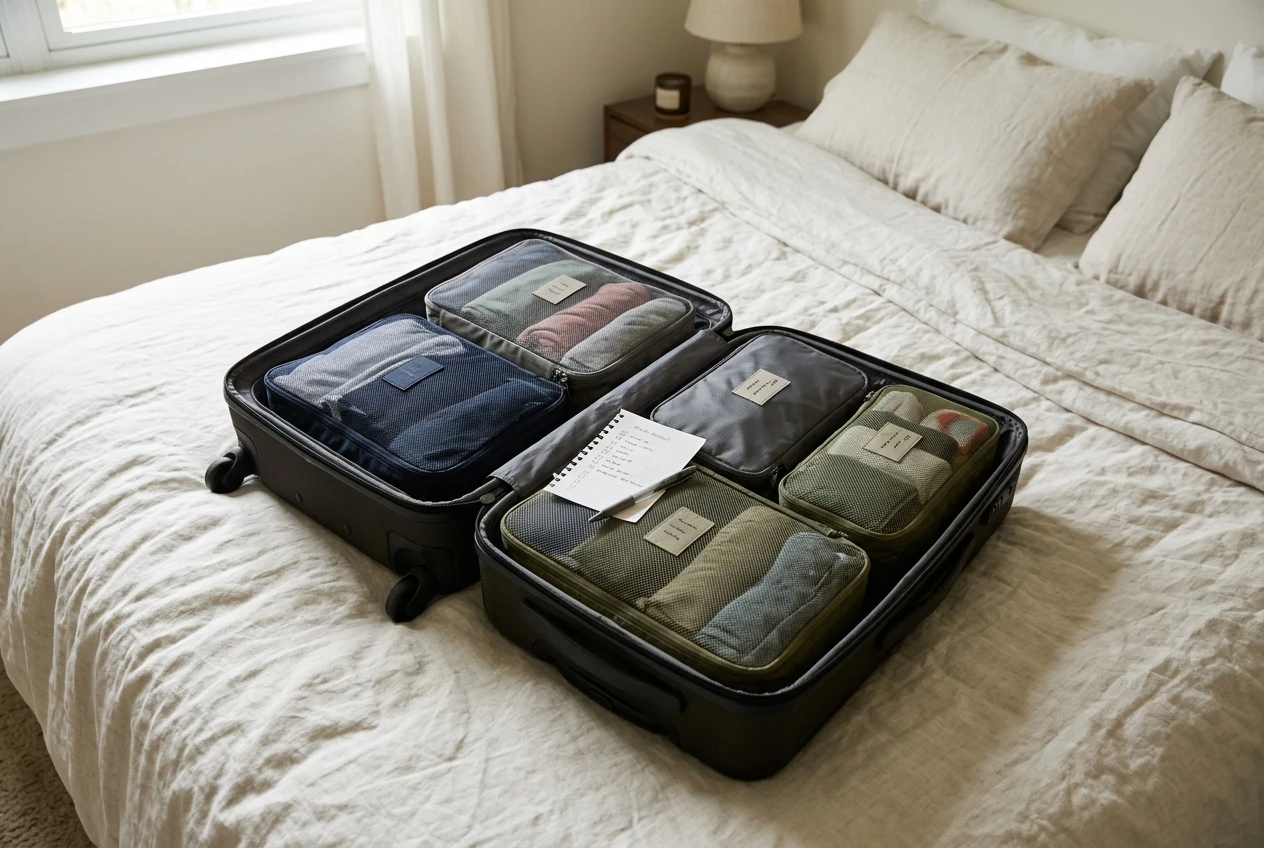
That is the shift this site is built around. Instead of one generic packing list meant to cover every kind of travel, the goal is to match the list to the trip: a ski weekend needs a completely different list than a solo hiking trip or a week in a hot climate. A system built around trip type catches the gaps that general advice misses.
Four questions to shape your packing list
Start with the details that change what belongs in your bag.
Why I believe every trip type needs its own list
A packing list written for a beach vacation will steer someone wrong on a ski trip, and a list built for a business trip will leave a solo backpacker short on gear they actually need. Climate, activity, trip length and who else is traveling all change what belongs in a bag. A single universal checklist cannot account for all of that, which is why this site organizes its checklists by trip type instead of offering one master list and hoping it stretches to fit everything.
One universal list cannot fit every trip
The article points to different lists for different kinds of travel. Start with the trip type, then account for its activities, climate, and length.
Ski weekend
Build a list for the planned ski trip, rather than relying on a general travel checklist.
Solo hiking trip
Shape the list around the hiking plans and the details of that specific trip.
Week in a hot climate
Use a list that reflects the destination, activities, and length of the stay.
What packing light and organized really means
Packing light is often mistaken for owning fewer things or traveling as sparsely as possible. That is not the goal here. Packing light means bringing exactly what a specific trip calls for and nothing that was added out of uncertainty. A traveler who packs light and organized is not restricting themselves; they are packing with a clear picture of what each day of the trip will actually require, so nothing gets left at home that is needed and nothing gets hauled along that never leaves the bag.
Who I build these checklists for
These checklists are built for travelers who want a plan before they pack, not a reminder to pack carefully after the fact. That includes first-time travelers unsure what a destination or trip type actually demands, and experienced travelers who are tired of overpacking out of habit. Whether the trip is a solo adventure, a ski week, a week-long city itinerary or a weekend of camping, the aim is the same: a checklist that matches the trip closely enough that nothing gets left to guesswork.
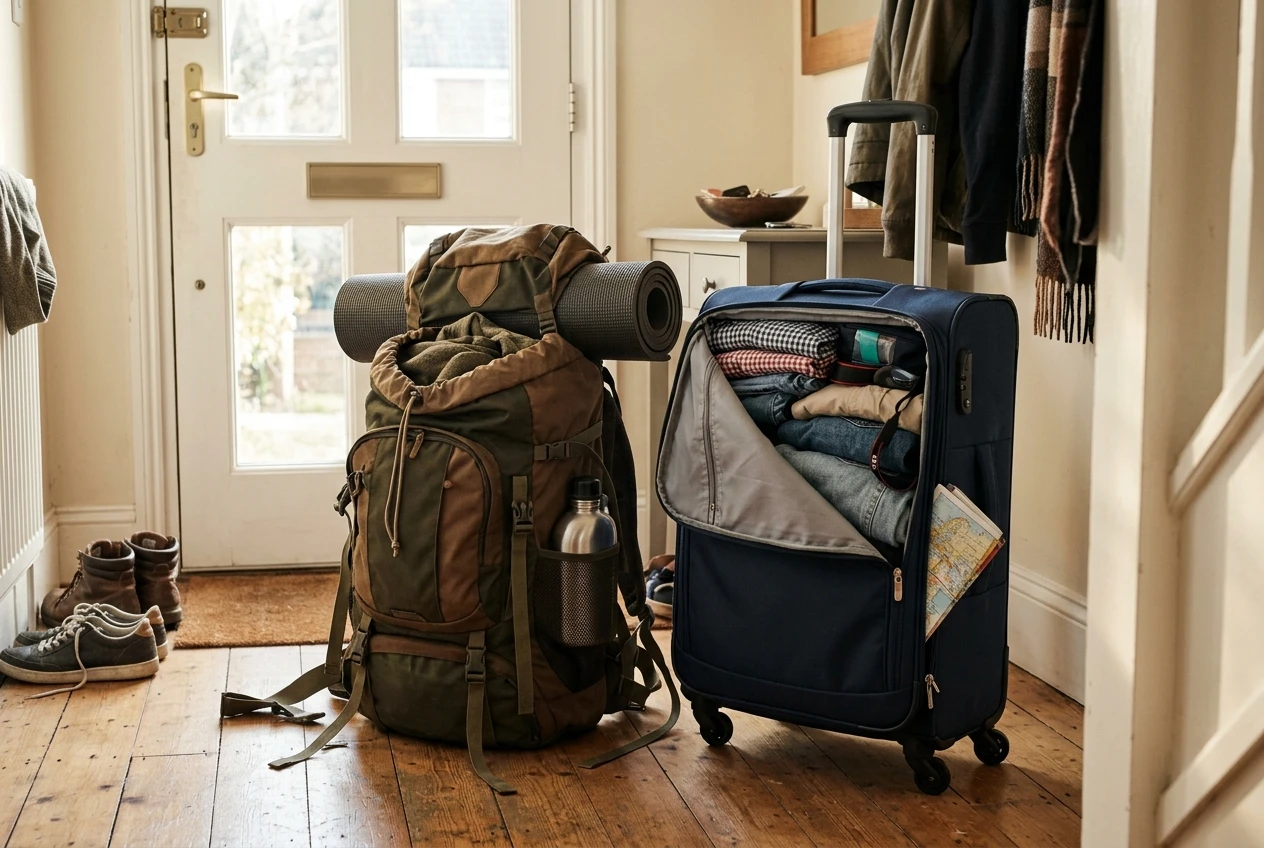
Find the checklist built for your next trip
A general answer to why pack light and organized only goes so far. The more useful answer is a checklist built for the specific trip ahead. Browse the full list of checklists by trip type to find the one built for your next trip, and pack it with a plan instead of a guess.